

Comprehensive, clinically validated vision testing, built for accuracy and trust.
Web-based, state-of-the-art perimetry that runs on any tablet, laptop or computer. No specialist hardware. No waiting room. Results that match the gold standard.
Three Tests, One Platform
Our portfolio of online vision tests.
A complete, clinically validated suite of visual field tests - covering everything from routine glaucoma screening to driving and pilot licensing assessments - all running on any laptop, desktop or tablet.
Visual Field Test
Comprehensive white-on-white static perimetry. Available in 24-2, 10-2 and 30-2 protocols - covering glaucoma screening, macular assessment, and neurological evaluation. Reports follow HFA conventions for immediate clinical use.
Driving Vision Test
A clinically robust binocular Esterman assessment to confirm a driver's visual field meets legal licensing and safety standards. Used by optometrists, occupational physicians and licensing bodies worldwide.
Pilot Vision Test
A monocular assessment purpose-built for aviation medical certification, pilot licensing and safety. Meets the specific visual field requirements of aviation authorities for professional and private pilot assessments.
What's in the Platform
Features
Comprehensive perimetry
24-2, 10-2, 30-2, Esterman binocular (driving) and Pilot. A 24-2 Rapid screening test is in development.
Runs on any computer or tablet
Works on any laptop, desktop and tablet, no specialised perimeter or installation.
Progression analysis for every patient
After three 24-2 tests are performed, Eyeonic automatically tracks visual-field change over time.
Secure, cloud-based dashboards
All results upload to role-based clinician dashboards to review, monitor compliance and act on patients from anywhere.
Clinically validated
14 peer-reviewed publications (15+ pending), including 6 independent international studies. Comparable accuracy to the Humphrey Field Analyzer.
31 languages
English, Hindi, Bengali, Punjabi, Gujarati, Kannada, Malayalam, Marathi, Tamil, Telugu plus 21 more globally.
Registered medical device
FDA, TGA, MHRA (UK), MedSafe (NZ), ANVISA (Brazil), HSA (Singapore), MDA (Malaysia), South Africa, Ghana and CDSCO Class A in India.
AI Integration
Face and eye detection (patented) verifies viewing distance, lighting and gaze stability, keeping every test reliable, even unsupervised.
One Software, Many Conditions
Detect and monitor disease across the visual pathway.
Glaucoma
Non-glaucomatous optic neuropathy
Retinitis pigmentosa
Thyroid eye disease
Brain tumours & strokes
Step by Step
How the Software Works
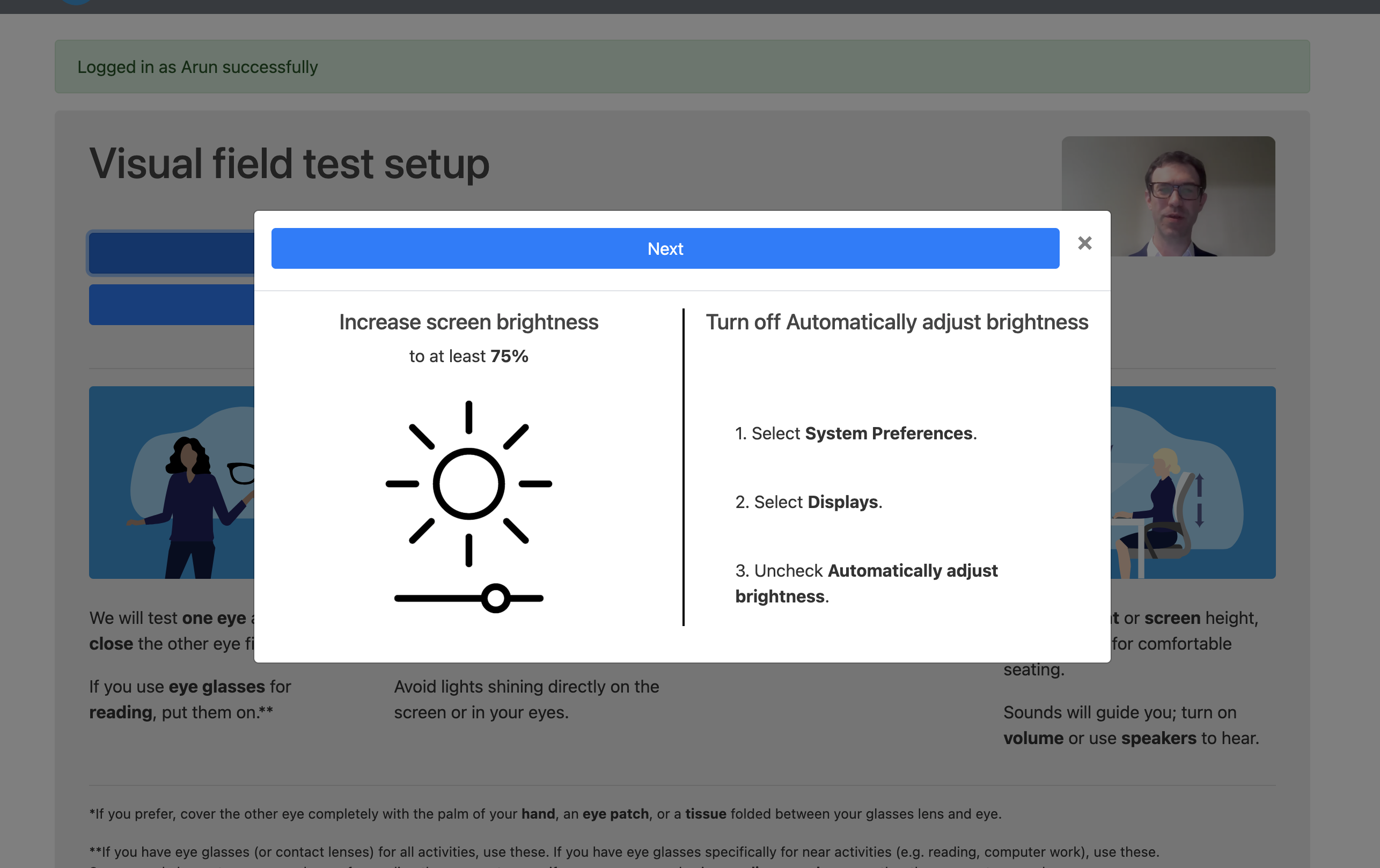
Screen Calibration
Our software guides the patient through setting brightness to at least 75% and disabling auto-brightness, ensuring stimuli are presented at the correct intensity on any display.
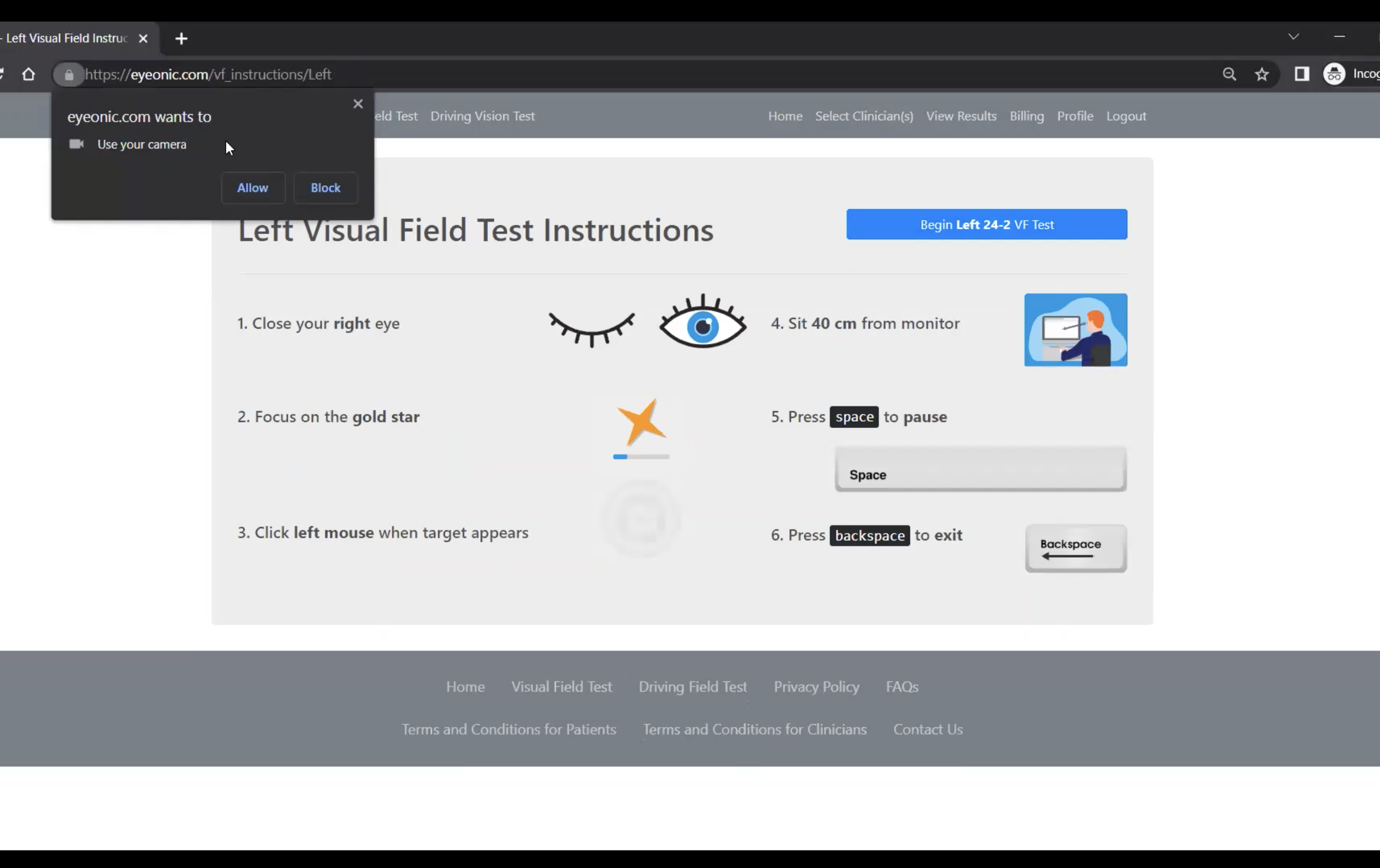
AI Monitoring
The device camera monitors head position and eye gaze in real time. The patient is walked through clear on-screen instructions before the test begins.

The Test
The patient covers one eye and fixates on the gold star. Small light stimuli appear at different peripheral locations, the patient clicks the mouse when they see each one.
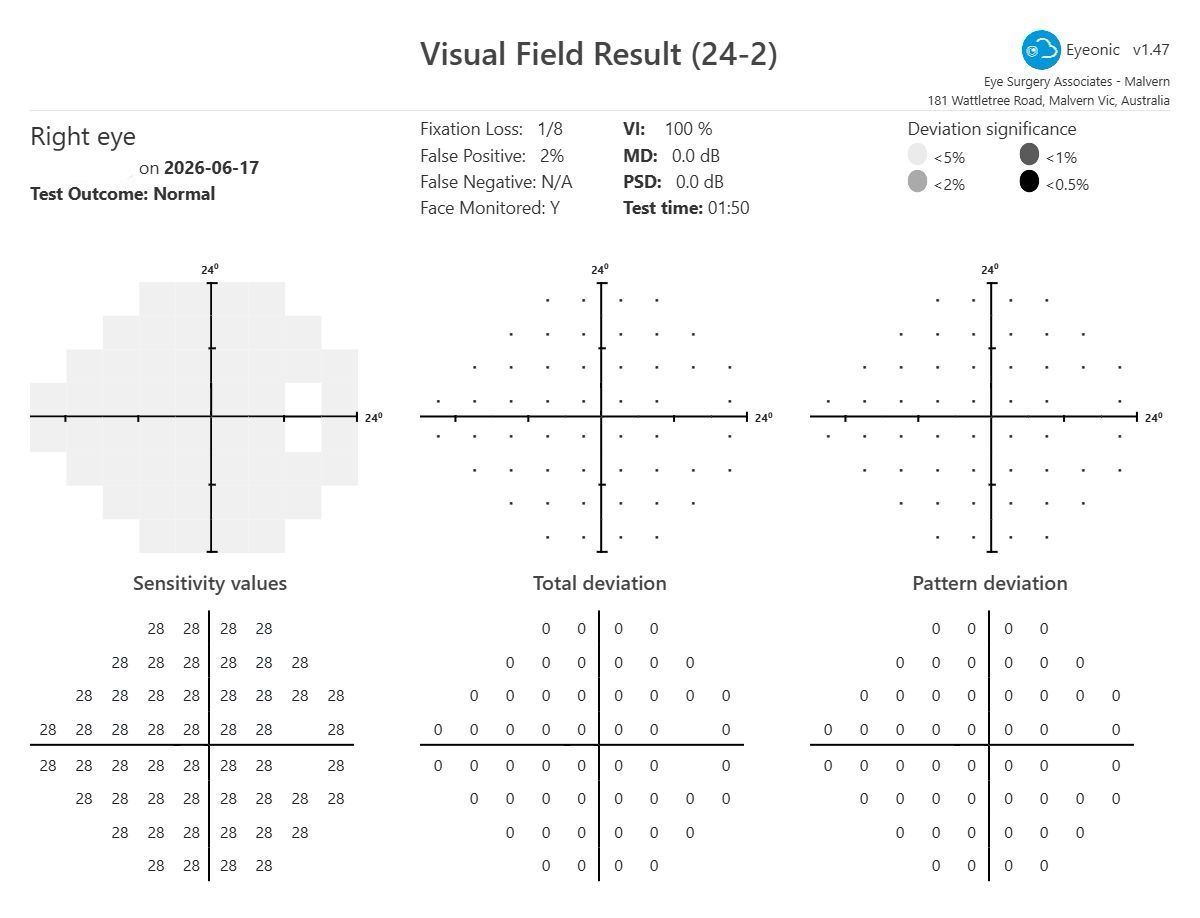
Adaptive Algorithm & Reporting
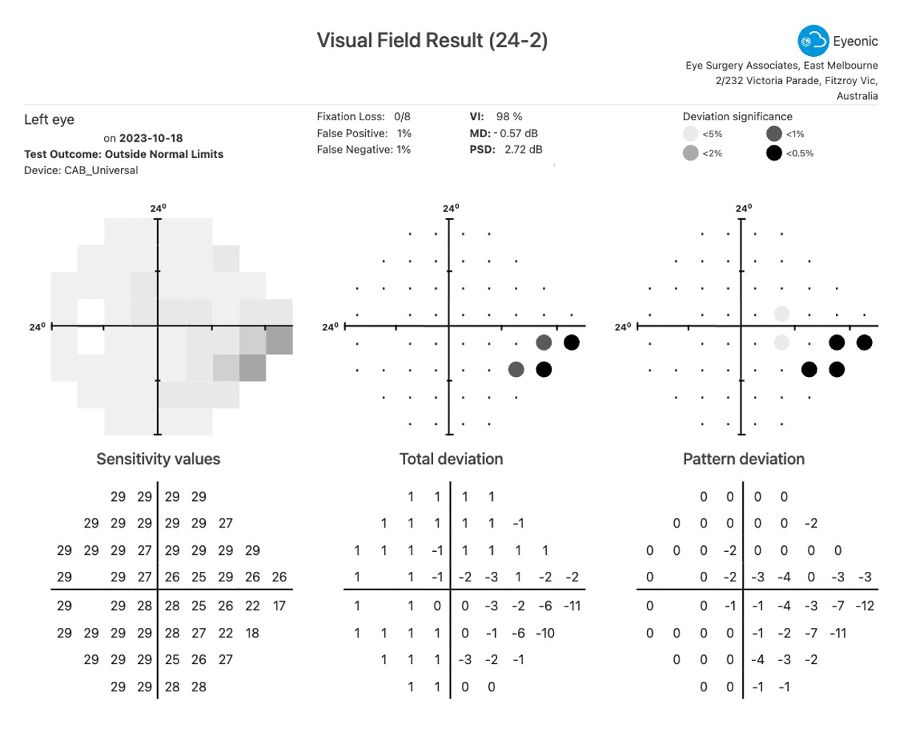
Sophisticated algorithms map visual field sensitivity. Clinicians instantly receive an encrypted report with sensitivity maps, deviation analysis, MD, PSD and a Visual Field Index score.
How it stays accurate
Patented Technology Incorporating AI
Fixation target
Spinning target keeps the patient focused at the centre with test progress shown to maintain attention.
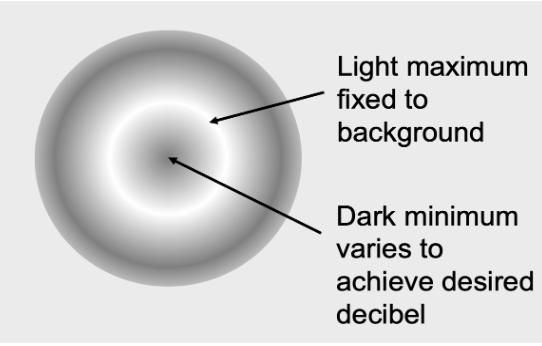
Flickering test target
Patented smart target that is resistant to screen variations and environmental factors, improving repeatability.
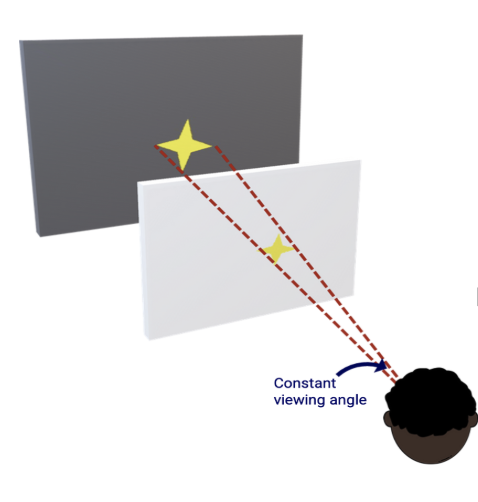
Adjust viewing distance
The system adjusts the recommended viewing distance for the patient's actual screen size, ensuring correct angular size and intensity.
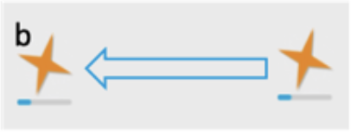
Moving fixation
Star starts at the top to test the inferior field, then moves to the bottom for the superior hemifield.
Blind spot localisation
Optimises viewing distance and counts fixation loss using the patient's blind spot.
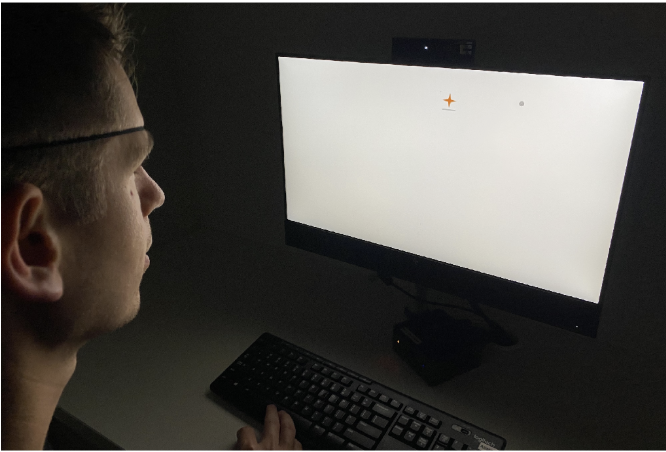
User monitoring
Webcam monitors the user with AI face detection (not facial recognition), confirms the correct eye is tested and the patient stays present.
Sample Reports
The same results as the gold standard.
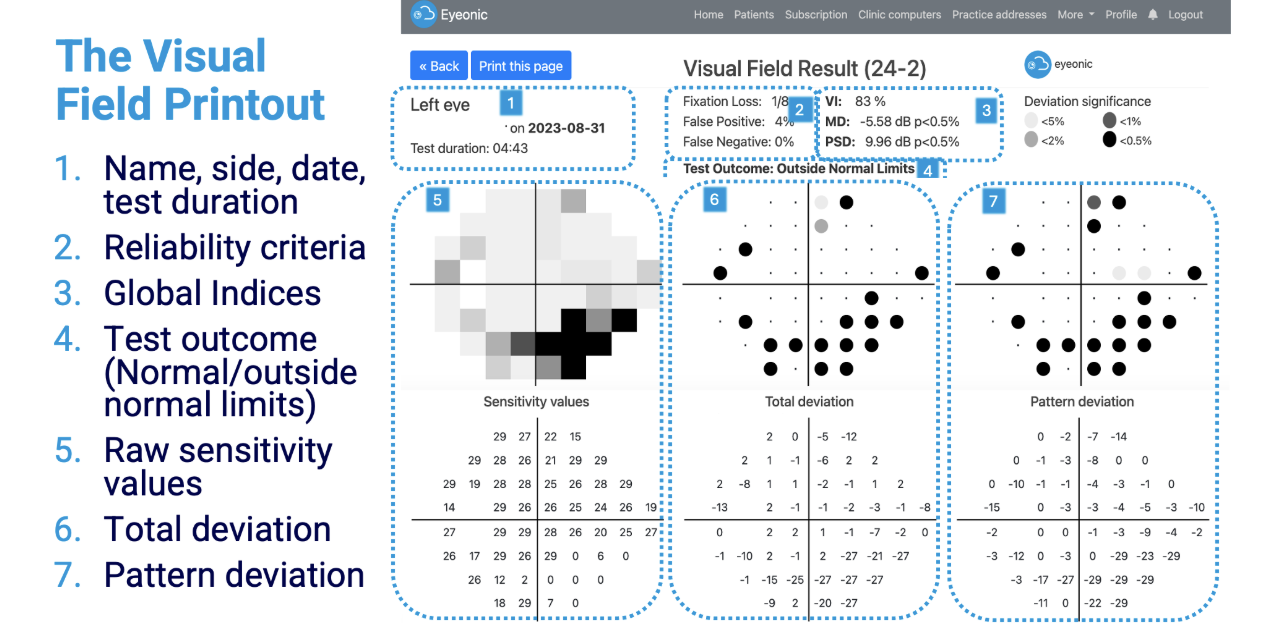
Our visual field test has been compared directly with the Humphrey Field Analyzer SITA-Standard, achieving high agreement and strong test-retest repeatability including in home-monitoring trials published in the American Journal of Ophthalmology. Reports follow HFA conventions, including grey scale, total deviation, pattern deviation and global indices. So results sit alongside prior Humphrey Field Analyzer reports without any reformatting.
Where It Works
Built for clinic, outreach and home.
Clinic Use
For ophthalmologists, optometrists, eye hospitals, and health screening venues.
Clinician prepares the patient and launches the test on any available device.
Device guides the patient through the test - AI monitors positioning throughout.
Doctor reviews results and discusses visual-field findings and progression analysis with patient.
Home Use
For patients, telehealth monitoring programmes, and clinical trials.
Doctor schedules the required tests, then sends a secure access link to the patient.
Patient tests on their home computer - the software guides them through the full process.
The test results are automatically sent to the doctor for viewing
Doctor suggests actions or schedules a follow-up appointment.
Built for Accuracy
What's under the hood, to make every result trustworthy.
Consistent across screens
Dynamic calibration plus a patented flickering target means room lighting has minimal effect on results - every screen is calibrated before each test.
Optimised patient positioning
AI uses the camera to keep the patient at the correct distance and angle, gently guiding them back if they move - no technician supervision needed.
Minimised fixation loss
A rotating target with a progress indicator keeps patients focused and reduces test duration - directly improving result reliability.
HFA-validated results
Extensive comparative studies demonstrate strong correlation with the Humphrey Field Analyzer - reports follow HFA conventions for immediate side-by-side reading.
14 peer-reviewed studies
Validated across 14 published clinical studies in multiple countries, with strong agreement against the gold-standard Humphrey Field Analyzer confirmed by independent international research teams.
Secure and private
Built on Microsoft Azure with regular vulnerability assessments. Camera uses head shape only - no facial features are captured or stored.
Approved & Registered
A regulated medical device across 10 countries.
Registered in major regulated markets, with CDSCO Class A approval already in place for India, so a clinician can deploy it confidently from day one.
Start testing from any device.
Bring clinically validated visual field testing to every patient, in clinic, in outreach, or at home.